

In Italy, aperitivo is much more than having a drink before dinner.
It’s a daily ritual, a social moment, and one of the most loved traditions of Italian lifestyle and food culture. Friends meet after work, families gather before dinner, and city squares slowly come alive with glasses clinking, small bites being shared, and conversations stretching into the evening.
Halfway between a snack and a social experience, aperitivo is all about slowing down, reconnecting, and enjoying the transition between day and evening. Today, it is an essential part of Italian lifestyle.
And that’s exactly the atmosphere we love to recreate at La Soffritta.
In fact, every one of our cooking classes also includes an aperitivo moment: a chance to sit together, enjoy a drink and a few bites, meet other participants, and fully experience the convivial side of Italian food culture before getting hands-on in the kitchen.

Where the Aperitivo Tradition Comes From
The tradition of aperitivo dates back to the late 18th century in northern Italy, particularly in Turin, where bitter and herbal drinks were first served before meals with the idea of stimulating the appetite.
From there, the habit gradually spread across the country, evolving from a simple pre-dinner drink into a true social occasion.
By the 20th century, aperitivo had become deeply rooted in Italian urban life, especially in cities such as Milan, Venice, and Bologna, where bars and cafés turned it into a daily moment of gathering, combining drinks, food, and conversation.
Today, aperitivo is both a tradition and a modern ritual, constantly evolving while staying deeply connected to Italian identity.
What Italians Usually Eat During Aperitivo
Depending on the region, the bar, or the season, an Italian aperitivo can range from very simple snacks to a rich buffet of small dishes and finger foods.
Some of the most common things you’ll find include:
- bruschetta with fresh tomatoes
- olives and cheeses
- cured meats like prosciutto and salami
- focaccia and small sandwiches
- chips and nuts
- mini pizzas or savory pastries
- fresh mozzarella and seasonal vegetables
The idea is not to replace dinner completely, but to enjoy small bites that pair perfectly with a drink while spending time together.
And of course, no aperitivo table is complete without something to toast with.

Spritz: The King of Italian Aperitivo
Among all Italian aperitivo drinks, the Spritz is probably the most iconic.
Originally from the Veneto region, the Spritz became internationally famous thanks to its bright orange color, refreshing taste, and perfect balance between bitter and sparkling flavors.
Today, it’s one of the symbols of Italian aperitivo culture.
Classic Italian Spritz Recipe
Ingredients
- 3 parts Prosecco
- 2 parts Aperol
- 1 splash sparkling water
- ice cubes
- 1 orange slice
Preparations
- Fill a large wine glass with ice.
- Pour in the Prosecco first.
- Add the Aperol.
- Finish with a splash of sparkling water.
- Gently stir and garnish with a slice of orange.
Serve immediately and enjoy chilled.
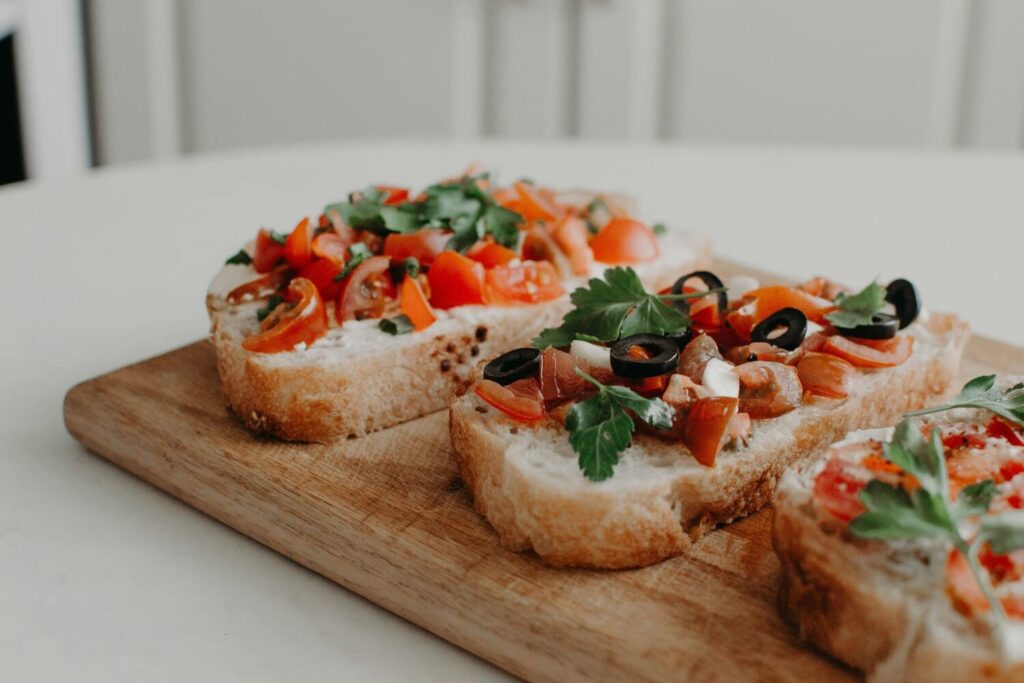
Classic Tomato Bruschetta Recipe
Simple, fresh, and incredibly flavorful, bruschetta is one of the most traditional foods served during an Italian aperitivo.
Ingredients
- 500 g round tomatoes or cherry tomatoes
- 8 slices rustic bread
- 1 garlic clove
- oregano
- fresh basil
- salt and pepper
- extra virgin olive oil
Preparations
- Wash the tomatoes and cut them into small cubes.
- Place them in a bowl and season lightly with salt and pepper.
- Add a drizzle of olive oil, oregano, and a few torn basil leaves.
- Mix everything together and let it rest for about 15 minutes.
- Lightly toast the bread slices on a grill or in the oven.
- Peel the garlic clove and rub it onto one side of each slice of bread.
- Arrange the bread on a serving plate, drizzle with olive oil, and top with the tomato mixture.
Decorate with a basil leaf and serve immediately.